Understanding the properties of the ball
? Three Key Properties of a Bowling Ball
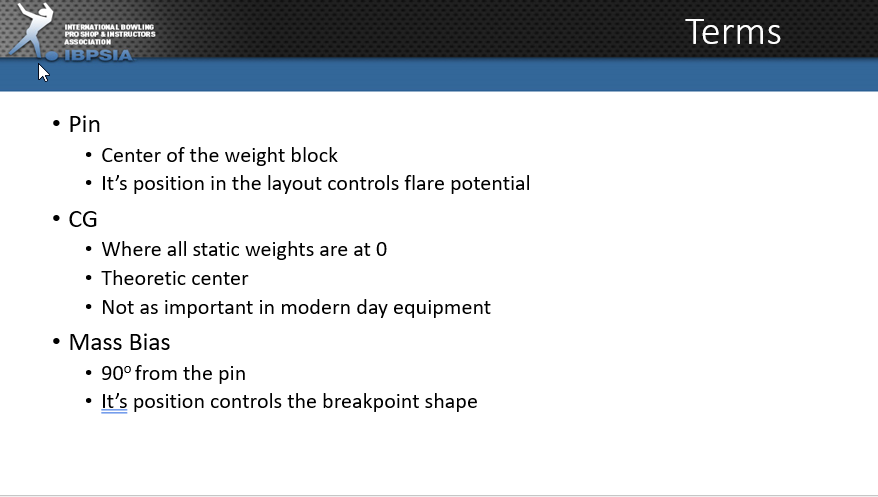
1. CG – Centre of Gravity
-
Definition: The CG marks the balance point of the ball's core. It’s usually indicated by a small dot or marking on the surface of the ball.
-
Function:
-
Helps determine the drilling layout.
-
Affects how the ball transitions through the skid, hook, and roll phases.
-
Closer to the grip, the reaction will be smoother.
-
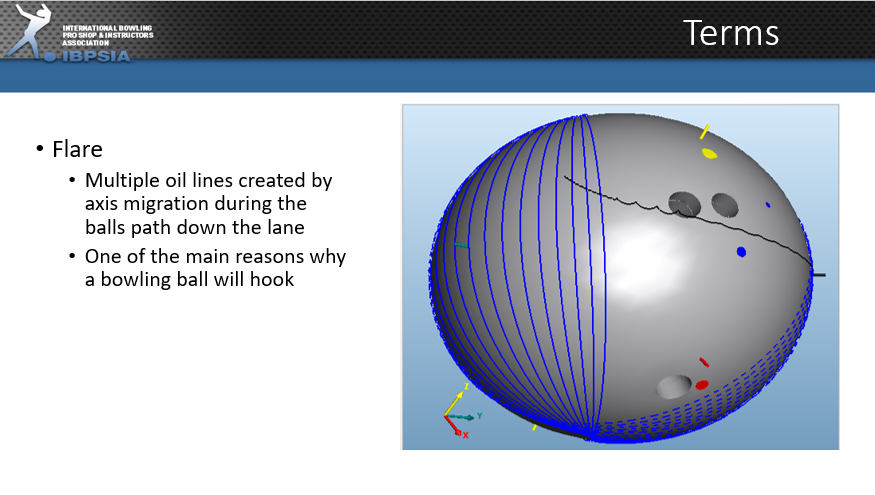
Farther from the grip, it can create more flare potential (depending on the layout).
- With the new regulations regarding the balance hole, as well as today’s equipment, it has become less of an important factor than it used to be.
-
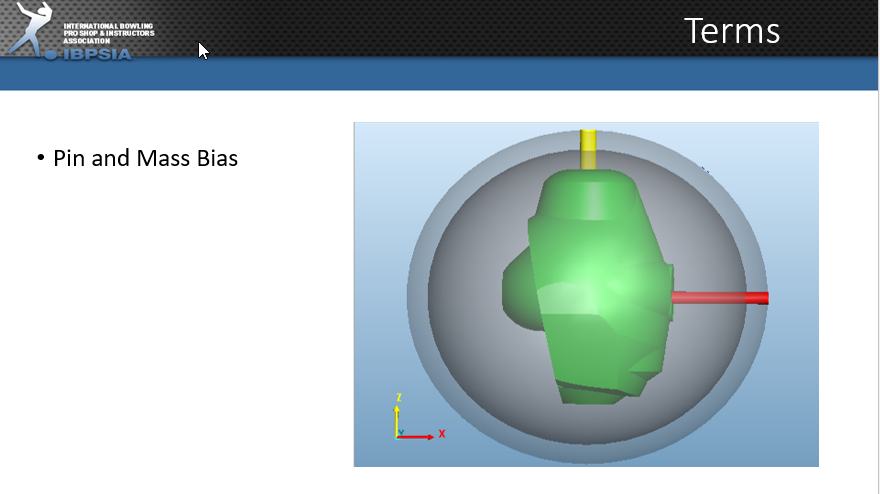
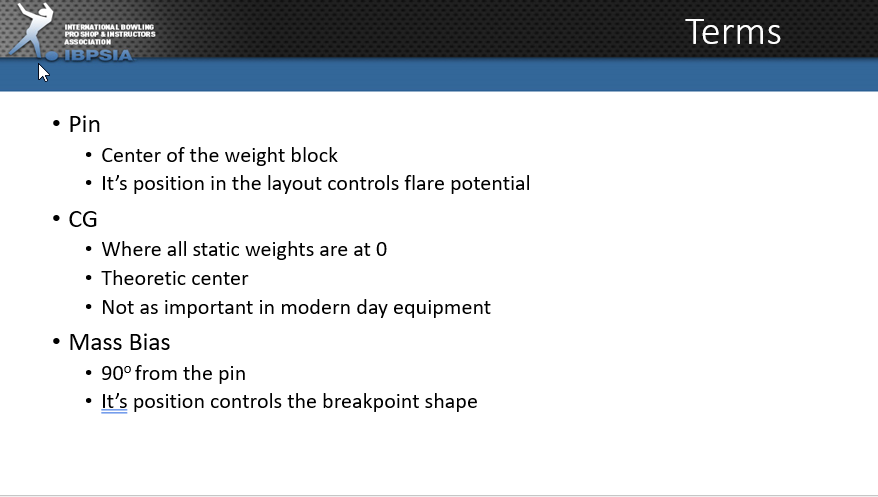
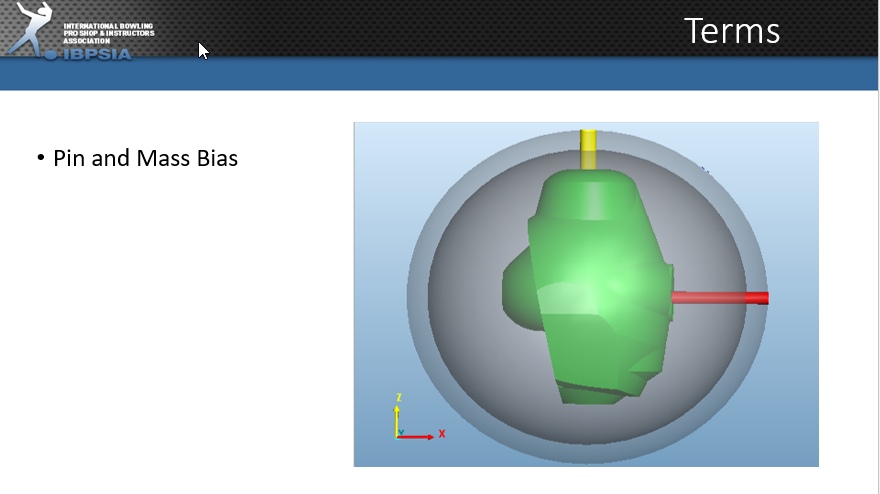
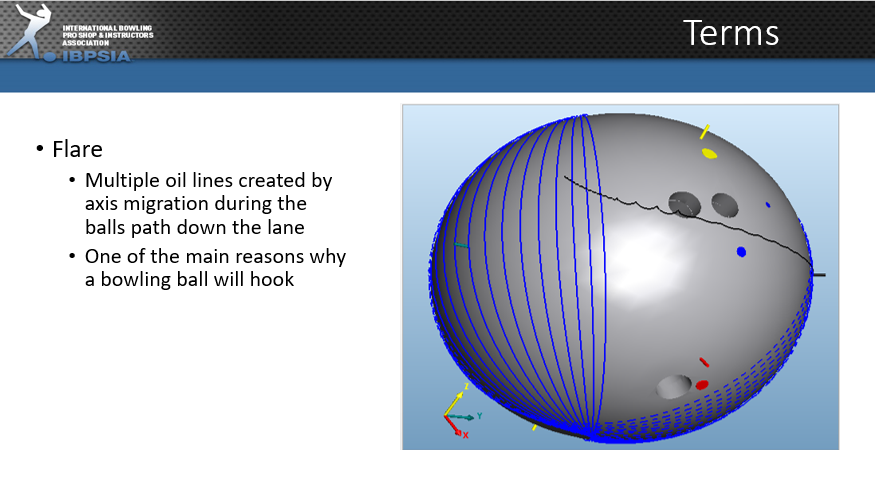
2. PIN
-
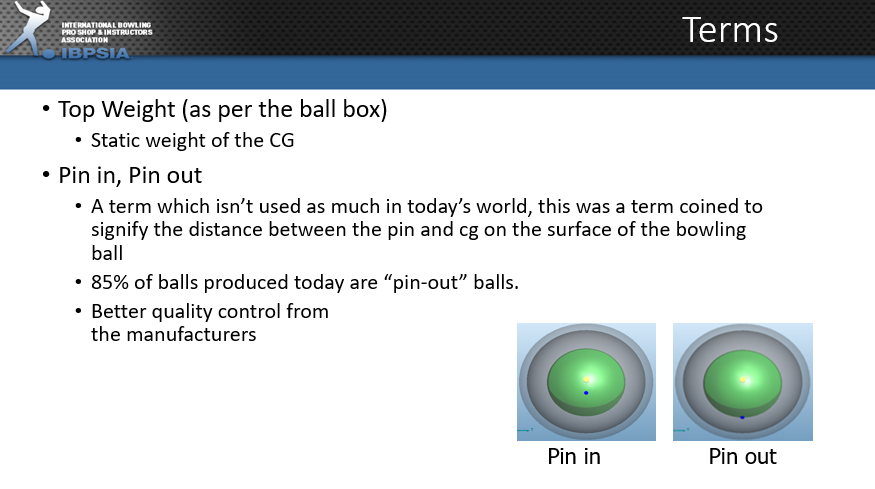
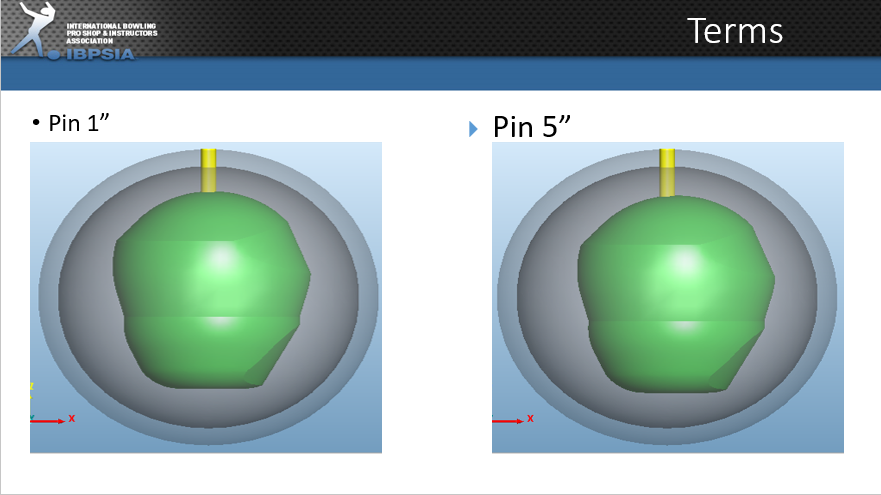
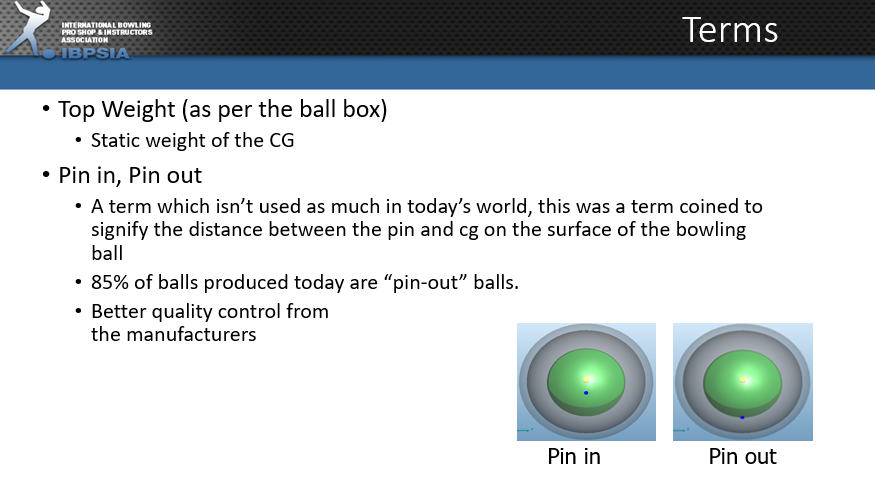
Definition: The PIN is the distance between the top of the core and the CG, shown as a small coloured dot on the ball.
-
Function:
-
Affects the flare potential and length of the ball before it begins to hook.
-
A shorter PIN (e.g. 1–2") will create an earlier hook, more controlled motion.
-
A longer PIN (e.g. 4–5") will create more length and a sharper backend reaction.
-
-
3. Mass Bias (MB)
-
Definition: Present in asymmetrical balls, it's the point where the core is imbalanced — usually marked with a symbol (e.g., a line, dot, or "MB" logo).
-
Function:
-
Controls the shape and sharpness of the hook, especially in the backend phase.
-
Crucial for advanced layouts — especially in high-performance balls.
-
Placement of the Mass Bias affects how quickly and how strongly the ball changes direction.
-
 Key takeaway
- The "pin in or out" refers to the orientation of the weight block, while "top weight" is a ball characteristic used to achieve the desired layout.
- The most important factor for performance is the layout, which is a combination of top weight, pin length, and mass bias location.
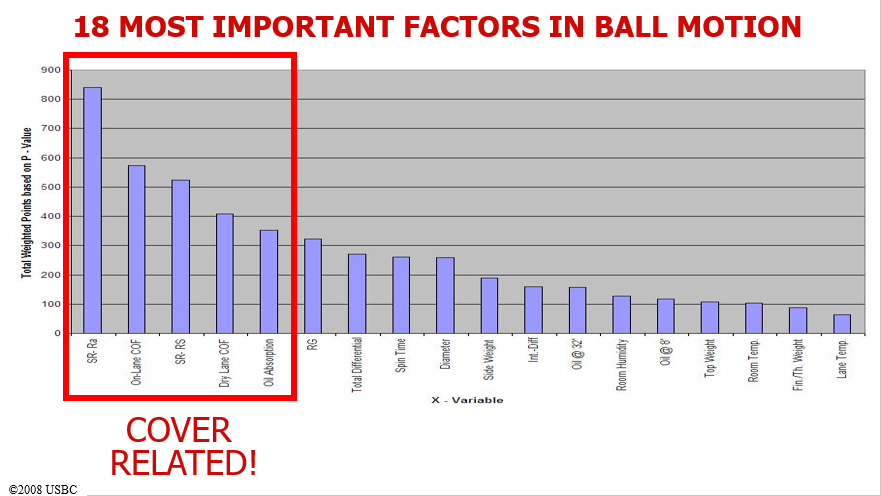
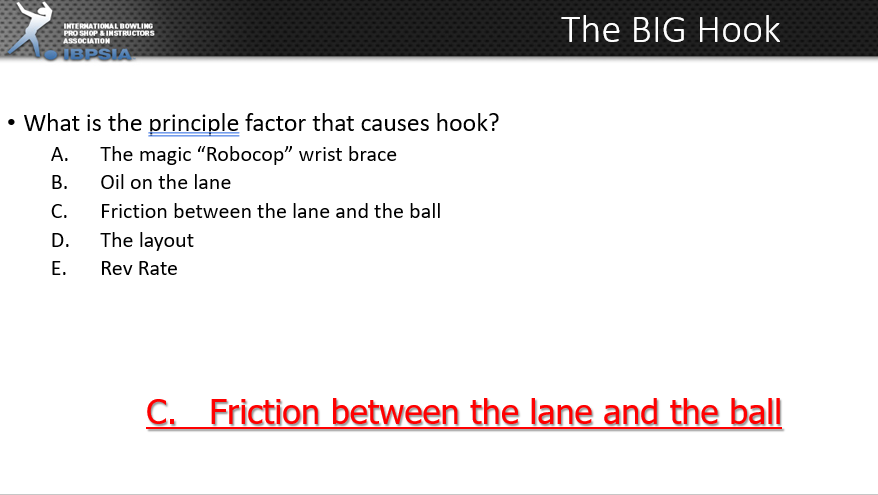
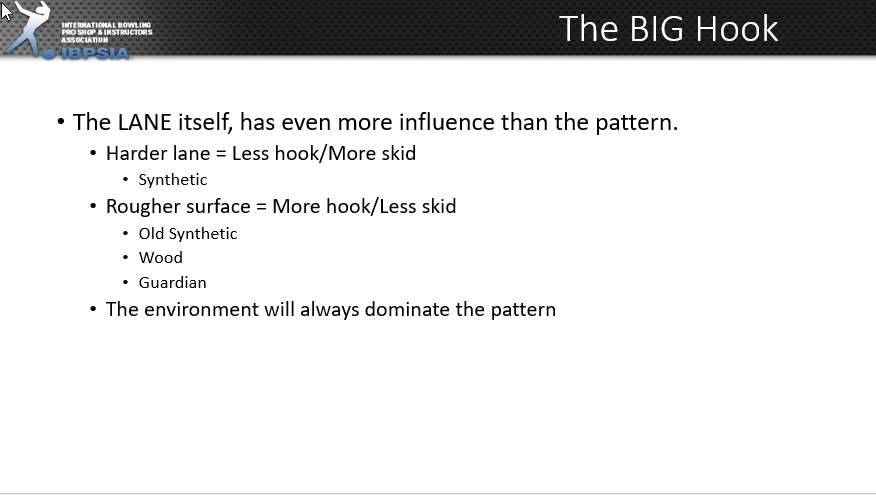
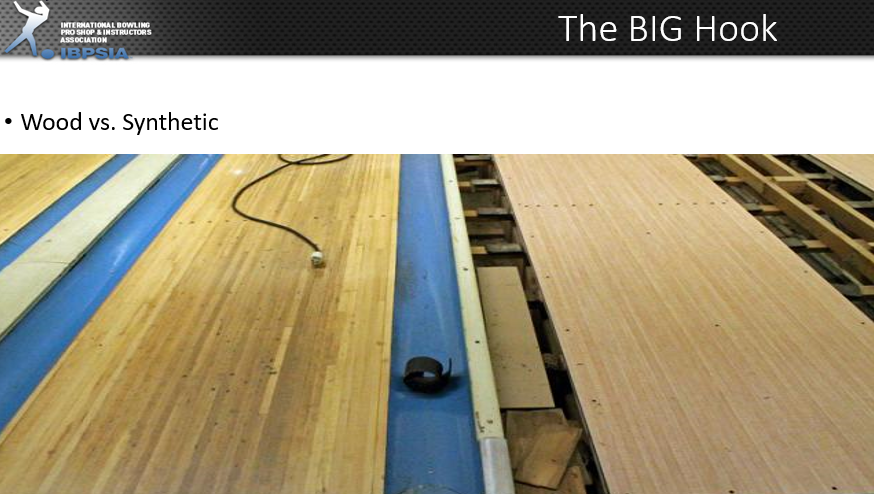
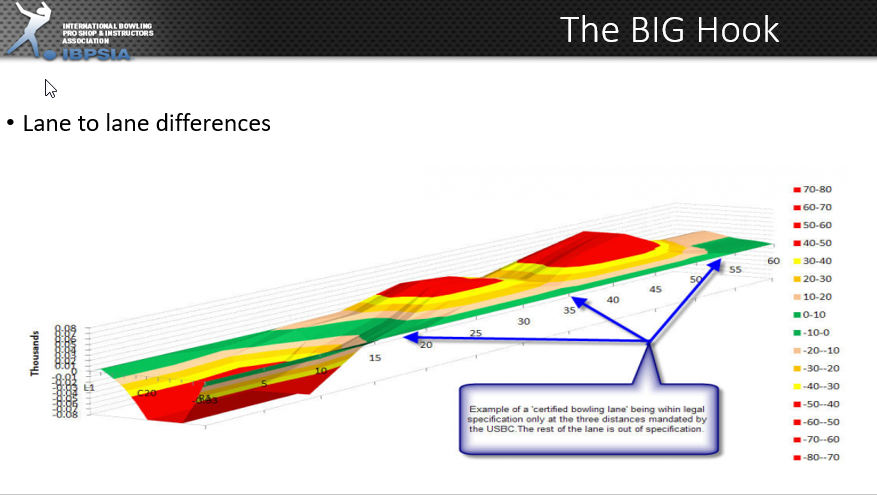
What are the different factors that influence the reaction of your bowling ball?
-
-
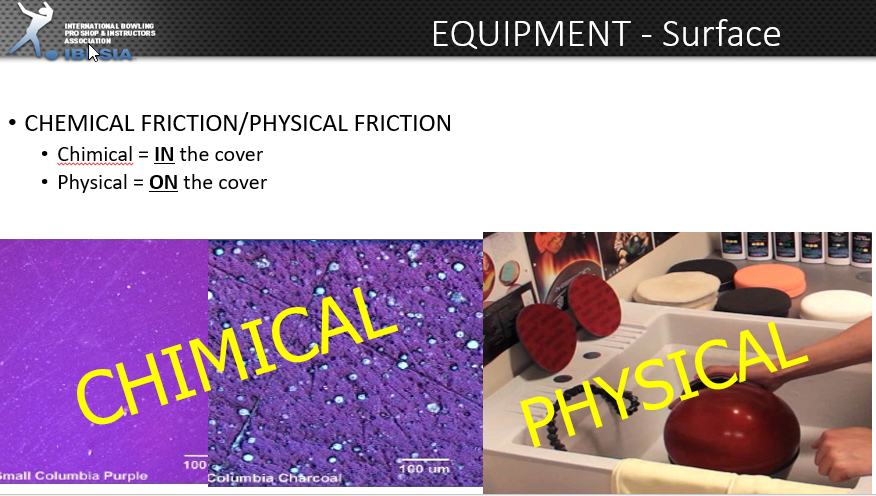
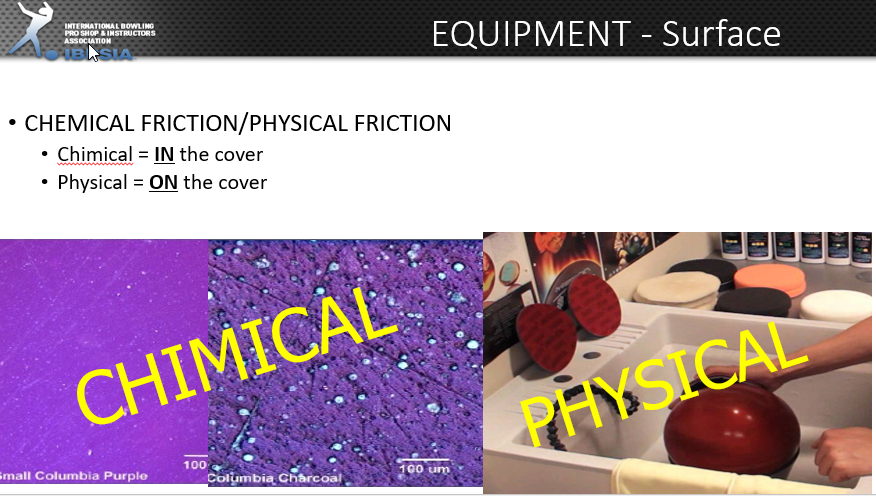
- Equipment Surface
- These 18 factors work together to determine how a bowling ball behaves during its three motion phases: skid, hook, and roll.
-
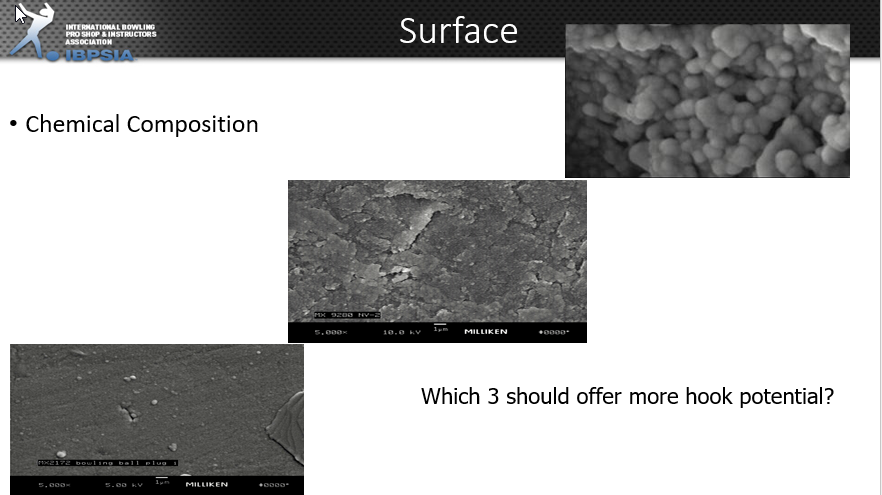
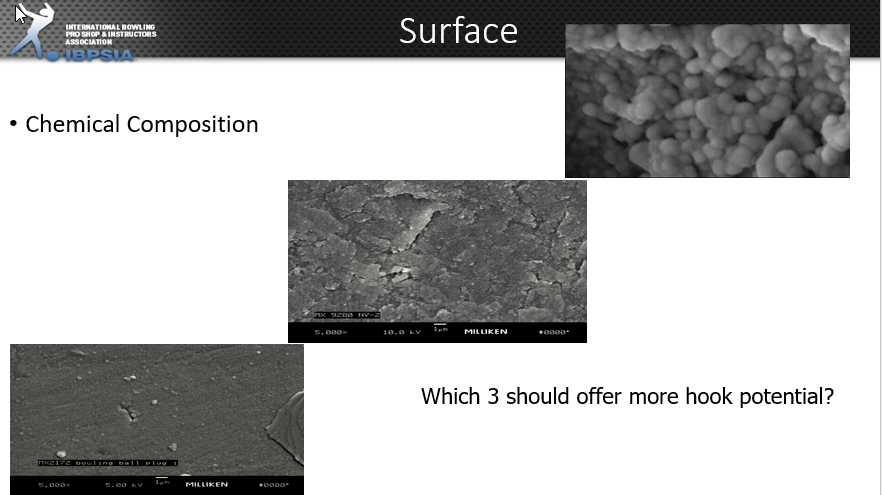
Surface and Composition of the ball :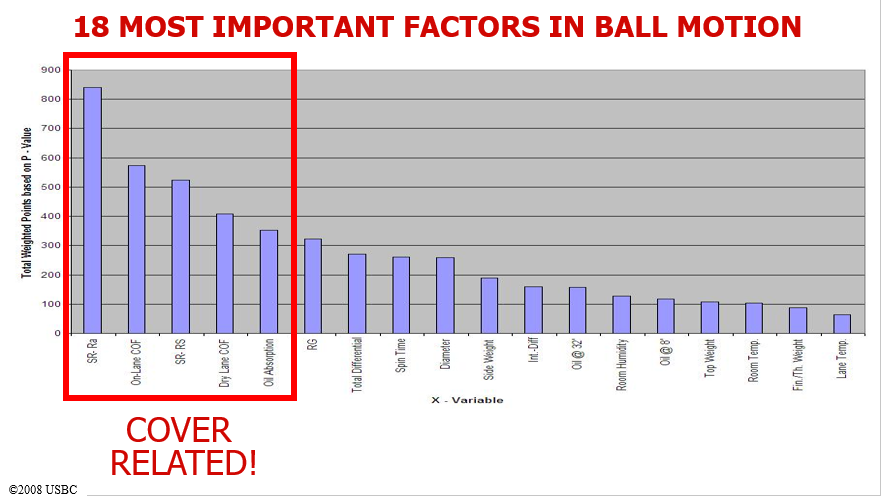
-
? Chemical Composition of Bowling Balls & Hook Potential
Here’s a comparison table showing the main chemical materials used in each type of bowling ball coverstock and how much hook potential each one offers.
? Comparison Chart – Chemical Composition vs. Hook Potential
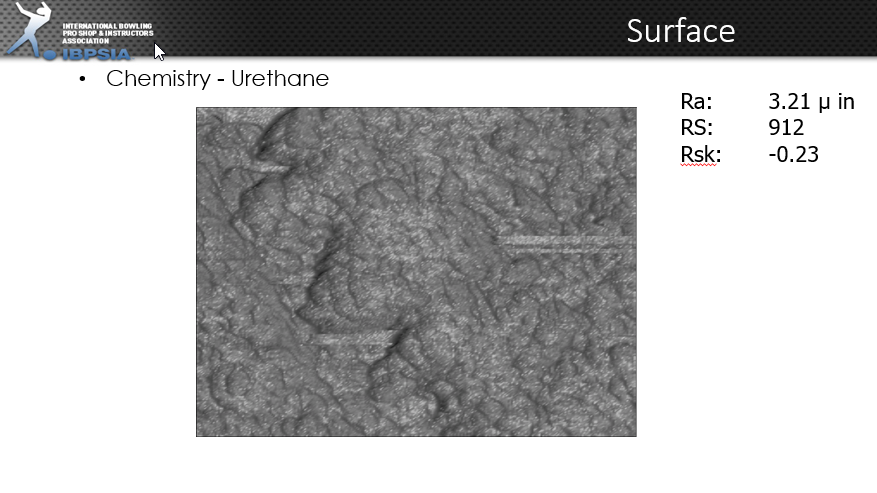
Ball Type Main Chemical Composition Description Hook Potential Plastic (Polyester) Polyester resin (Polyethylene Terephthalate – PET) Smooth, hard surface with very low friction. Commonly used for straight shots and spare balls. ? Very Low Urethane Polyurethane (Created by reacting polyols with diisocyanates like MDI or TDI) Slightly porous, offers more traction than plastic. Known for a smooth, controllable arc. ?? Low to Medium Reactive Resin Modified polyurethane with reactive additives (plasticizers, curing agents, oil-absorbing resins) High friction, porous surface that absorbs oil, creating a strong backend hook. Most popular for league and competitive play. ??? High Particle (Proactive) Reactive resin infused with microparticles (ceramic, silica, etc.) Roughest surface, maximum traction in heavy oil conditions. Used mainly by advanced players. ???? Very High ? Hook Strength Ranking (from lowest to highest)
-
? Plastic – Minimal hook, best for straight throws or spare shooting
-
? Urethane – Moderate hook, offers control and predictability
-
? Reactive Resin – Strong hook, great backend motion
-
⚫ Particle – Maximum hook, ideal for heavy oil patterns (less common now)
-
? Key Properties of Polyurethane (Urethane) in Bowling Balls
Property Chemical Basis Effect on Performance Durability Strong carbon–nitrogen (C–N) and carbon–oxygen (C–O) bonds in urethane linkages Resists cracking and chipping under impact Low Oil Absorption Tight cross-linked polymer network Predictable motion on oily lanes Moderate Friction Less porous than reactive resin Smooth, controllable hook (not too aggressive) Hardness Controlled by polymer blend and curing Durometer typically 74–78D (harder than reactive resin) 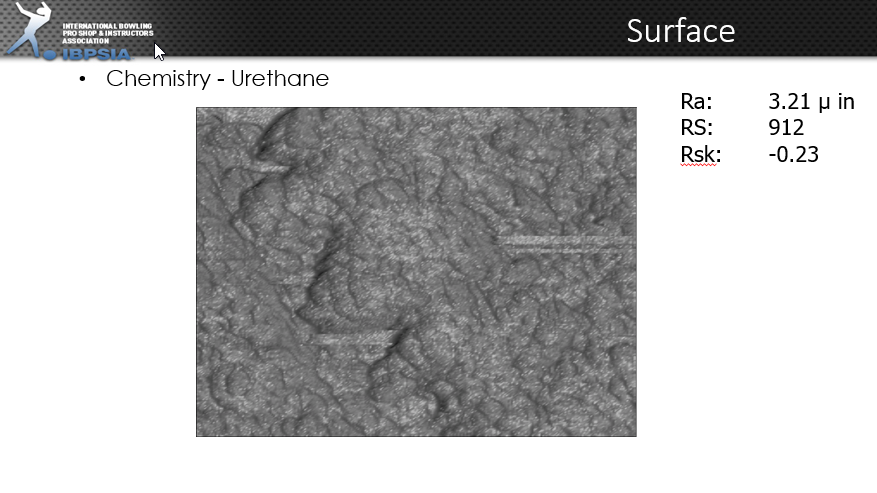
-
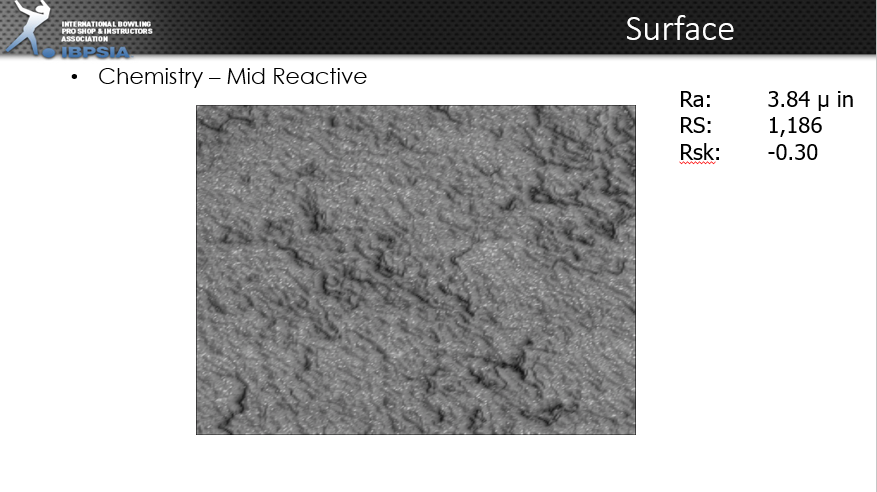
? Chemistry of Mid-Reactive Bowling Balls
What Is a Mid-Reactive Bowling Ball?
-
A mid-reactive bowling ball has a coverstock chemically designed to provide moderate friction and oil absorption on the lane.
-
It’s engineered to perform between low-reactive (slicker, less hook) and high-reactive (more aggressive hook) balls.
Chemical Composition
-
Base Polymer: Polyurethane Resin
-
The core polymer is polyurethane, created by reacting polyols (compounds with multiple hydroxyl groups, –OH) and diisocyanates (usually MDI or TDI).
-
This reaction forms urethane linkages (–NH–CO–O–) resulting in a durable, cross-linked thermoset polymer.
-
-
Reactive Additives
-
Mid-reactive balls contain moderate amounts of reactive resins and plasticizers.
-
These additives increase the porosity and oil absorption of the coverstock but to a lesser degree than high-reactive balls.
-
This balanced chemical mix creates enough surface “grip” for good traction without over-reacting.
-
-
Surface Finish / Texture
-
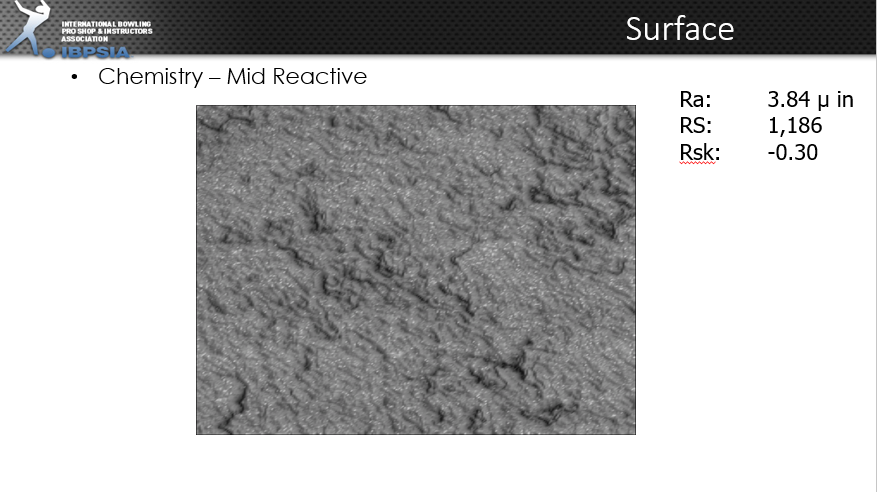
Chemically and physically, the surface has a medium level of micro-roughness (often achieved by sanding or polishing).
-
This finish exposes the coverstock’s reactive pores to the lane oil just enough to produce a controlled hook.
-
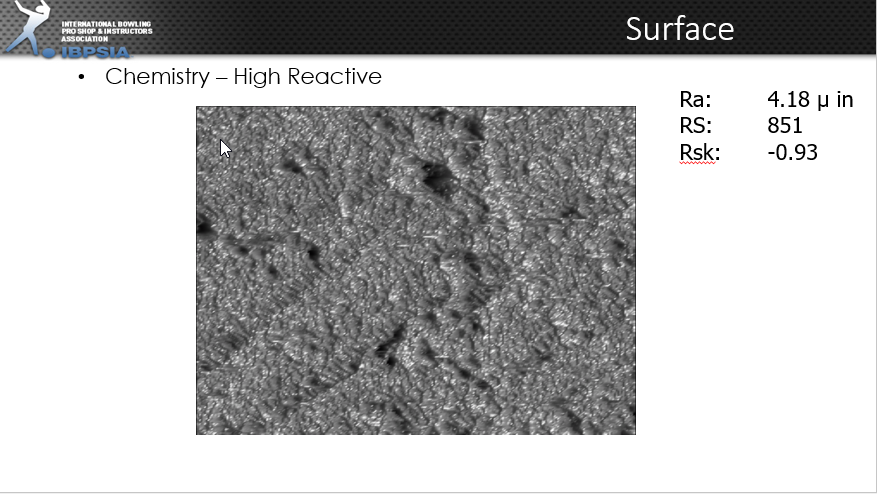
? Chemistry of High-Reactive Bowling Balls
What Does “High-Reactive” Mean?
-
High-reactive bowling balls have coverstocks formulated to maximize friction and oil absorption.
-
They create a strong hook motion, especially on medium to heavy oil lane conditions.
-
This is achieved through specific chemical and physical properties of the coverstock.
Chemical Composition
-
Base Polymer: Polyurethane Resin
-
Like other reactive balls, the base polymer is polyurethane, synthesized by reacting polyols with diisocyanates (MDI or TDI).
-
This creates a cross-linked thermoset polymer providing durability and elasticity.
-
-
Reactive Resin Additives
-
High-reactive balls contain higher concentrations of reactive additives and plasticizers compared to mid- or low-reactive balls.
-
These include specialized resin compounds that increase the porosity of the coverstock and its ability to absorb lane oil.
-
-
Surface Microstructure
-
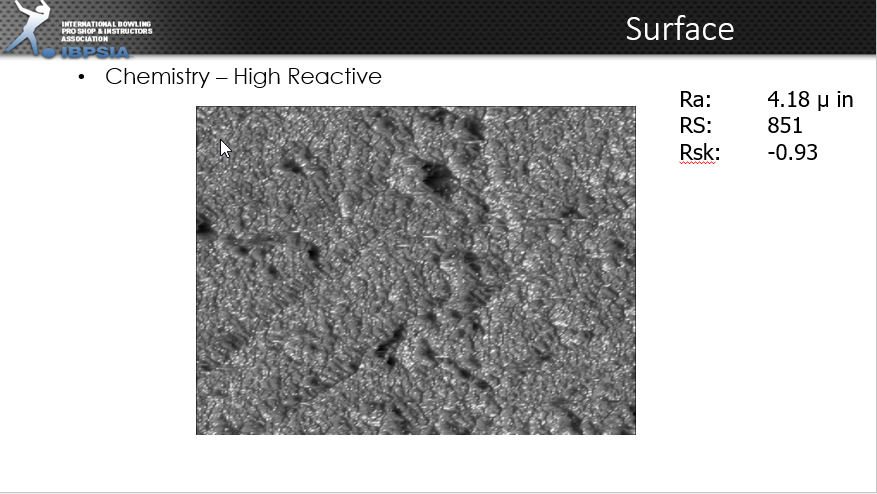
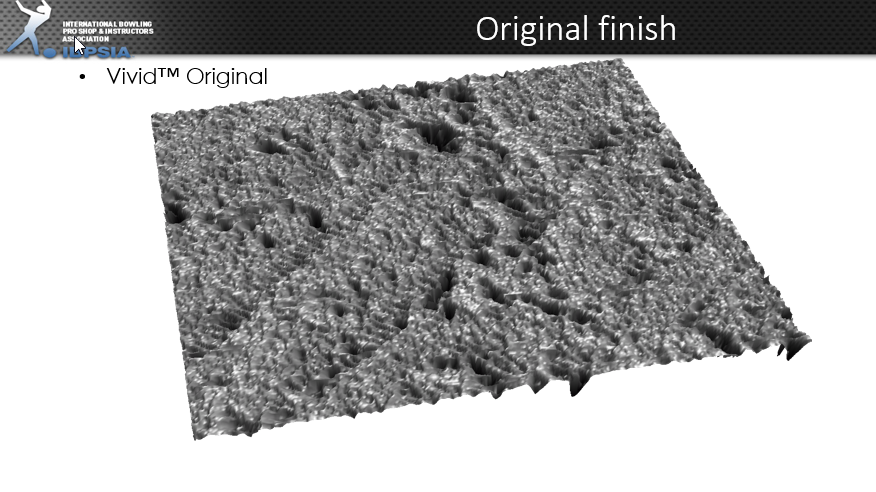
The coverstock surface is chemically engineered to have a highly porous microstructure.
-
This allows the ball to absorb more oil, increasing friction once it reaches the dry backend portion of the lane, resulting in a stronger hook.
-
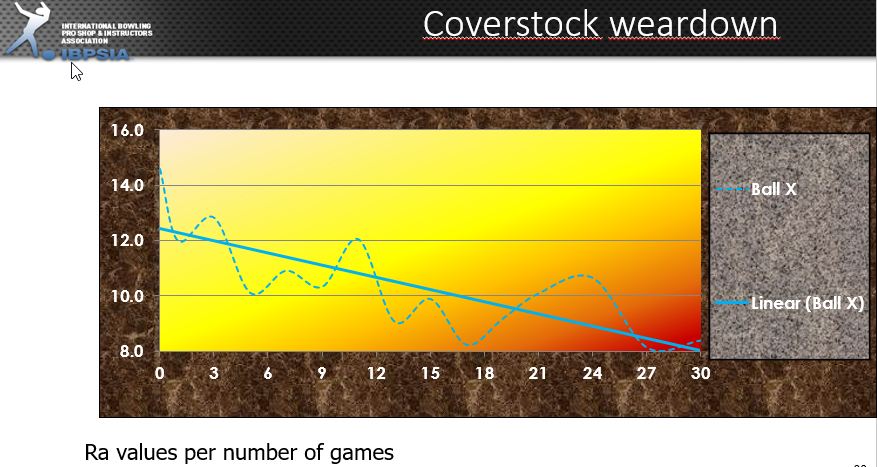
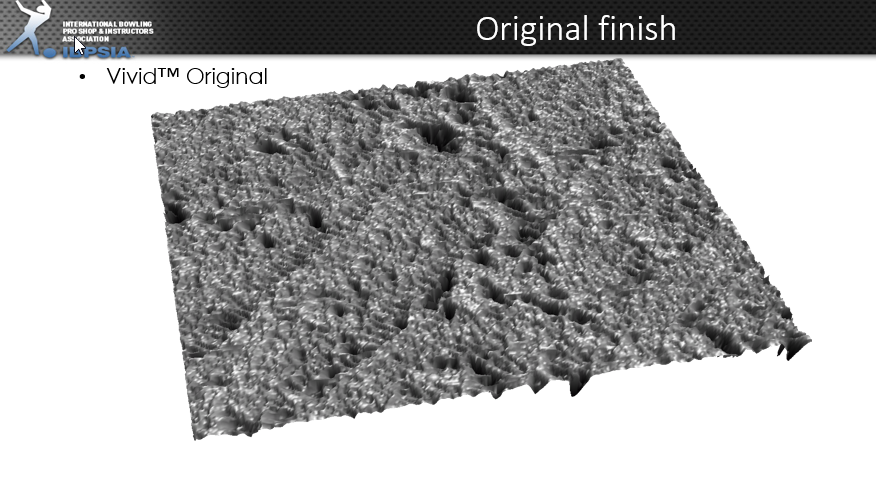
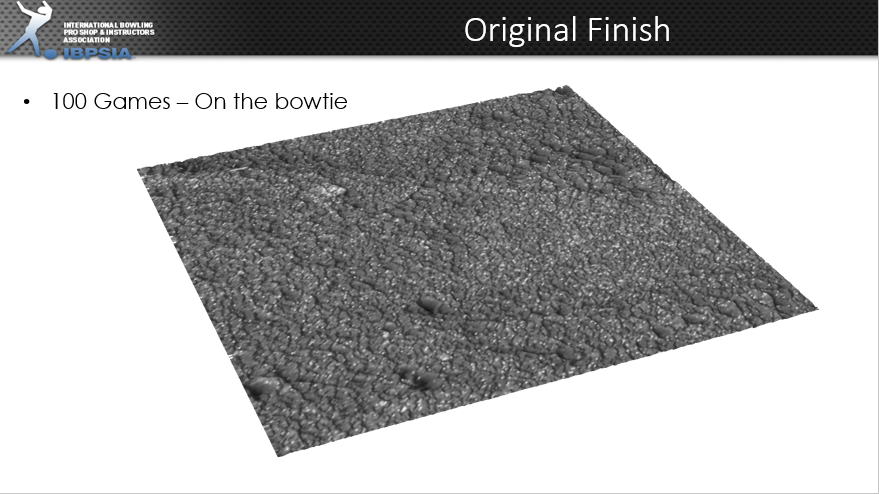
? Coverstock Wear-Down on Bowling Balls
What is Coverstock Wear-Down?
-
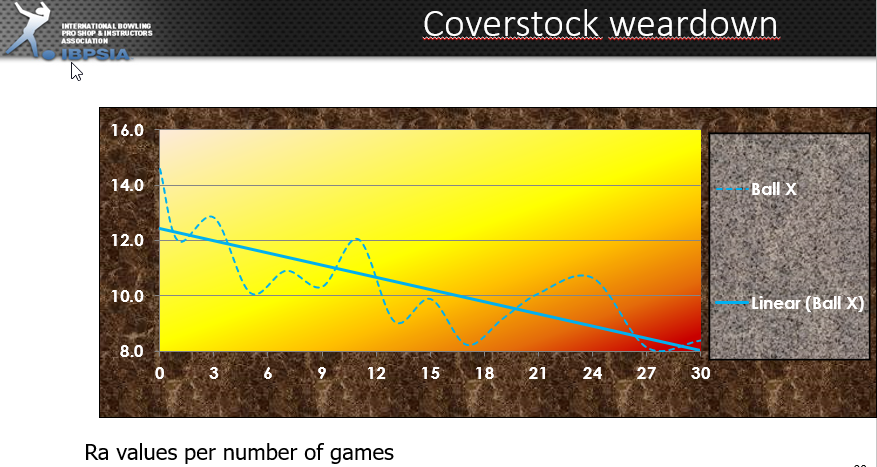
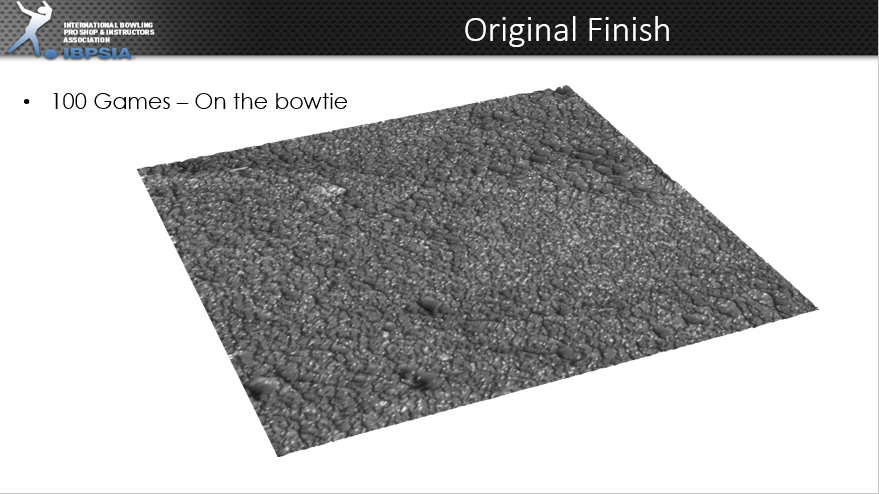
Coverstock wear-down refers to the gradual erosion, abrasion, or smoothing of the bowling ball’s outer shell (coverstock) surface after repeated use.
-
Over time, the coverstock loses its original texture, surface finish, and chemical properties that help it grip the lane.
Why Does Coverstock Wear Down?
-
Friction with Lane Surface
-
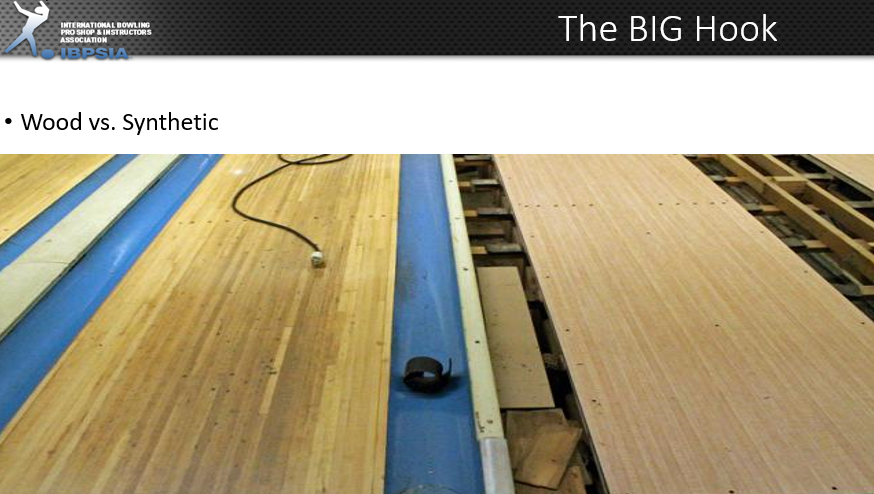
Constant contact with the lane, especially on abrasive synthetic or wood lanes, causes microscopic scratches and smooths rough surfaces.
-
-
Cleaning & Maintenance
-
Repeated cleaning with harsh chemicals or improper maintenance can degrade the surface.
-
-
Impact with Pins and Gutter
-
Hitting pins hard or rolling into gutters can cause chips, scratches, and dents.
-
-
Heat & Chemical Changes
-
Heat generated by friction and chemical reactions with lane oils or cleaners can alter the polymer structure over time.
-
How Does Wear-Down Affect Ball Performance?
Effect Impact on Ball Reaction Loss of Surface Texture Reduced friction with lane → less hook potential Smoother Surface More skid → ball slides longer before hooking Decreased Porosity Less oil absorption in reactive balls → weaker backend reaction Cracks or Chips Inconsistent ball roll, potential ball damage
Signs You May Need to Resurface or Replace Coverstock
-
Noticeably less hook despite similar lane conditions
-
Visible shiny or slick patches on the ball surface
-
Chips or deep scratches that affect ball roll
-
Ball feels “dead” or doesn’t respond like it used to
Maintenance Tips to Minimize Wear-Down
-
Regular cleaning with proper bowling ball cleaners after each session
-
Avoid harsh chemicals that damage the polymer
-
Periodic resurfacing or polishing by a pro shop to restore texture
-
Use multiple balls to spread out wear on different coverstocks
-
-
-
-
-
-
-
-